
Trusted by 175+ Homeowners
Is It Safe To Clean Up Biohazards Yourself?
- Over 178 5-Star Reviews
- Free Estimates and Quotes
- 100% Satisfaction Guaranteed
- Child, Family & Pet Safe Steps
- 24-Hour Emergency Service
- Fully Licensed & Insured

It is generally not safe to clean up biohazards yourself. Biohazard cleanup involves risks of infection, disease, and exposure to dangerous pathogens.
Professional biohazard remediation is essential for ensuring your safety and the complete removal of hazardous materials.
TL;DR:
- Biohazard cleanup poses serious health risks due to potential exposure to pathogens.
- DIY cleanup can lead to incomplete removal, cross-contamination, and long-term health issues.
- Specialized training, equipment, and protective gear are necessary for safe biohazard handling.
- Professional services ensure proper containment, disinfection, and disposal according to regulations.
- When facing biohazards, always prioritize safety and call trained professionals.
Is It Safe to Clean Up Biohazards Yourself?
The short answer is no, it’s rarely safe to handle biohazards on your own. Biohazards are biological substances that pose a threat to human health. This can include things like blood, bodily fluids, sewage, and even certain types of mold or animal waste. Trying to clean these up without the proper knowledge and equipment can put you and your loved ones at serious risk.
You might be tempted to tackle a small spill yourself. But even seemingly minor incidents can carry unseen dangers. We found that many people underestimate the infectious nature of certain biological materials. This can lead to exposure and potential illness.
Understanding What Constitutes a Biohazard
Biohazards aren’t just what you see on TV crime shows. They can appear in your home more often than you think. Think about a burst pipe that backs up sewage. Or perhaps a trauma scene where professional cleaning is needed. Even extensive animal infestations can create biohazardous conditions.
The primary concern with biohazards is the presence of microorganisms. These can include bacteria, viruses, and parasites. They can cause a range of infections. Some are mild, while others can be life-threatening. Understanding these risks is the first step in knowing when to call for help.
The Invisible Dangers
One of the biggest problems is that biohazards are often invisible. You might clean up visible bloodstains, but microscopic pathogens can remain. These can spread easily through touch or airborne particles. This is why proper disinfection is so critical. It goes beyond just making something look clean.
For instance, after a flood, even if you dry things out, there can be hidden mold after moisture exposure. This mold can release spores that affect air quality. It’s a good reminder that water damage often brings its own set of biohazard concerns.
Why DIY Biohazard Cleanup is Risky
When you try to clean up a biohazard yourself, you’re stepping into a situation that requires specialized training. Professionals undergo extensive education on how to handle these materials safely. They learn about containment, disinfection protocols, and proper disposal methods.
Without this training, you risk contaminating yourself, your family, and your home. Cross-contamination is a major concern. You might think you’ve cleaned an area, but you could be spreading pathogens to other surfaces without realizing it. This is a significant part of why safety concerns after contamination are so high.
Lack of Proper Protective Equipment
Professionals use personal protective equipment (PPE) designed for biohazard situations. This includes full-body suits, respirators, gloves, and eye protection. This gear creates a barrier between the worker and the hazardous materials. Standard household cleaning supplies and gloves are simply not enough.
Imagine trying to clean up a spill with just a sponge and some bleach. You’re likely exposing yourself directly to whatever is in that spill. This is a recipe for disaster. Wearing the right gear is non-negotiable when dealing with potential biohazards.
Inadequate Cleaning and Disinfection
Biohazard cleanup isn’t just about wiping things down. It involves a multi-step process of removal, cleaning, and thorough disinfection. Specialized cleaning agents and equipment are often needed to neutralize pathogens effectively. Standard household cleaners may not kill all harmful microorganisms.
We found that many people believe vinegar and water are sufficient for most cleaning tasks. While effective for some things, is it safe to clean mold with vinegar and water might be a question for a small, early-stage issue, it’s not enough for true biohazards. Professional disinfectants are formulated to kill specific types of pathogens. They are used at precise concentrations.
The Problem of Hidden Contamination
Biohazards can seep into porous materials like carpets, drywall, and wood. They can also spread through ventilation systems. Simply cleaning the surface won’t eliminate these deeper contaminants. This can lead to lingering odors and health problems down the line.
For example, a pipe burst can cause water damage spreading through materials. If that water is contaminated, the damage goes far beyond the visible wetness. Professionals have tools like moisture meters and thermal cameras to find hidden water and contamination.
Improper Waste Disposal
Biohazardous waste must be disposed of according to strict local, state, and federal regulations. Improper disposal can lead to environmental contamination and legal penalties. Professionals are knowledgeable about these regulations and have the means to transport and dispose of waste safely and legally.
Bagging up contaminated materials and throwing them in your regular trash is a serious no-no. It can expose sanitation workers and the public to harm. Proper disposal is a critical, often overlooked, step.
When You Absolutely Need Professional Help
Certain situations scream for professional intervention. These are not scenarios where you want to experiment with DIY solutions. If you’re dealing with any of the following, it’s time to call experts:
- Trauma scenes (e.g., unattended death, serious injuries involving blood)
- Sewage backups or raw sewage contamination
- Animal waste contamination (e.g., rodents, bats)
- Hoarding situations with significant biological waste
- Large-scale mold infestations that have spread widely
These situations present a high level of risk. The potential for health risks inside damaged homes can be severe. It’s better to err on the side of caution and get expert advice today.
Mold and Water Damage Scenarios
Even smaller water damage events can create biohazard risks, especially if left unaddressed. If you have a small leak, you might wonder, is it safe to clean up small mold patches? While some minor surface mold might be manageable, widespread mold growth or mold in HVAC systems is a different story.
Water damage can also lead to structural issues. You might need to ask yourself, is my home safe after a major flood? In such cases, a professional assessment is crucial. They can identify all areas of concern, including potential mold growth and structural instability.
The Importance of a Safe Environment
Your home should be a sanctuary. When it becomes contaminated, it can feel unsettling. You might question, is my basement safe for a playroom? If there’s any suspicion of biohazards, the answer is likely no until a professional has assessed and remediated the area.
The goal is always to restore your home to a safe and healthy condition. This requires more than just cosmetic cleaning. It demands a thorough approach to eliminate all threats. Don’t wait to get help if you suspect a biohazard issue.
When in Doubt, Call a Professional
If you’re unsure whether a situation constitutes a biohazard or if you can handle it yourself, always choose the safer option. Call a professional restoration company. They can assess the situation, explain the risks, and provide a plan for remediation.
They have the equipment, training, and experience to handle biohazards safely and effectively. This ensures that your home is truly clean and safe. It’s about protecting your family’s health. For situations involving significant water damage, knowing how to clean up after a pipe burst at home is essential, but professional help is often required to address deeper issues like hidden moisture behind walls.
Conclusion
Dealing with biohazards is a serious matter that requires professional expertise. Attempting to clean these situations yourself can expose you to dangerous pathogens, leading to severe health risks. Professionals have the necessary training, equipment, and protocols to ensure safe and thorough remediation.
At South Jordan Damage Restoration Pros, we understand the complexities and dangers involved in biohazard cleanup. We are equipped to handle a wide range of situations, ensuring your property is restored to a safe and healthy environment. When faced with biohazards, it’s always best to trust the experts.
What are the main risks of cleaning biohazards yourself?
The primary risks include exposure to infectious diseases from pathogens like bacteria and viruses, cross-contamination of your home, and potential long-term health issues. You also risk improper disposal, which can harm the environment and lead to legal problems.
Do I need special gear to clean up biological spills?
Yes, absolutely. Professionals use specialized Personal Protective Equipment (PPE) such as respirators, full-body suits, and heavy-duty gloves. Standard household gloves and masks are not sufficient protection against biohazards.
How do professionals disinfect an area after a biohazard?
Professionals use hospital-grade disinfectants and EPA-approved cleaning agents specifically designed to kill a wide range of pathogens. They follow strict protocols for application, dwell time, and rinsing to ensure complete disinfection.
What if I only see a small amount of blood? Is it still a biohazard?
Yes, any amount of blood or bodily fluid should be treated as a potential biohazard. Pathogens can be present even if the amount of visible fluid is small. It’s always safer to assume it’s hazardous and seek professional advice.
Can I just throw contaminated items in the trash?
No. Biohazardous waste must be contained, disinfected, and disposed of according to specific regulations. Throwing contaminated items in regular trash can lead to public health risks and legal penalties.
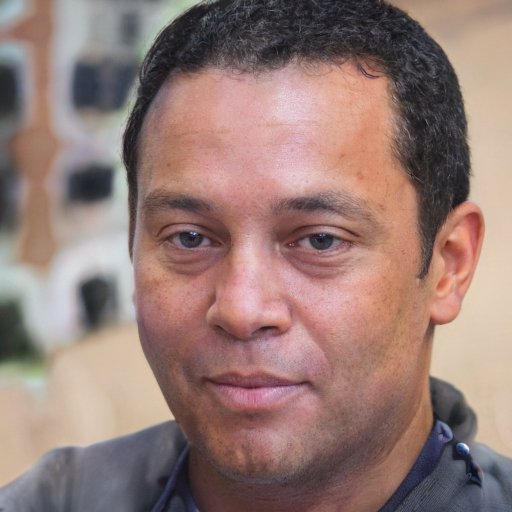
Ivan Morales is a licensed Damage Restoration Expert with over 20 years of hands-on experience in disaster recovery and structural mitigation. As a seasoned industry authority, Ivan has spent two decades mastering the technical complexities of environmental safety, providing property owners with the reliable expertise and steady leadership required to navigate high-stress property losses with absolute confidence.
𝗖𝗲𝗿𝘁𝗶𝗳𝗶𝗰𝗮𝘁𝗶𝗼𝗻𝘀: Ivan holds elite IICRC credentials, including Water Damage Restoration (WRT), Applied Structural Drying (ASD), Mold Remediation (AMRT), Fire and Smoke Restoration (FSRT), and Odor Control (OCT).
𝗙𝗮𝘃𝗼𝗿𝗶𝘁𝗲 𝗣𝗮𝘀𝘁𝗶𝗺𝗲: An enthusiast of restoration in all forms, Ivan enjoys restoring vintage watches and coastal sailing, hobbies that reflect the extreme precision and patience he brings to every restoration project.
𝗕𝗲𝘀𝘁 𝗣𝗮𝗿𝘁 𝗼𝗳 𝘁𝗵𝗲 𝗷𝗼𝗯: He finds the most fulfillment in providing a clear path forward for families, turning a site of devastation back into a safe, comfortable, and healthy home.