HVAC Leak Water Removal in Smithfield, UT
Trusted by 175+ Homeowners
HVAC Leak Water Removal in Smithfield, UT: What to Expect
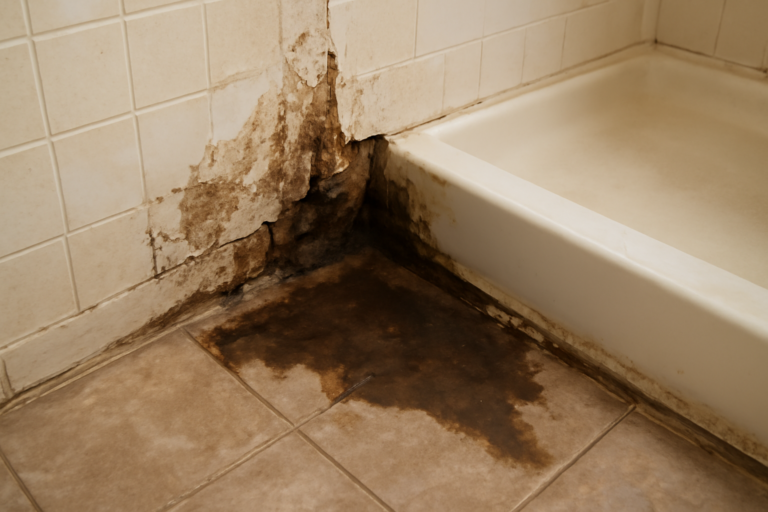
You’re sipping coffee on a chilly morning when you notice water pooling around your HVAC unit in Smithfield, UT. The sound of dripping water has become a constant companion, and you catch a whiff of that musty smell that never seems to go away. The once-clear air in your home is now filled with the acrid stench of dampness. It’s not just unpleasant; it’s also a sign of a serious issue that needs immediate attention. You need HVAC leak water removal services, and you need them now. Our team is equipped to handle even the toughest water damage situations, and we’ll have your home back to normal in no time.
Don’t let water damage become a long-term problem in your home. Our technicians have restored hundreds of homes in the area, and we’ve earned over 165 five-star reviews for our exceptional service. When you need professional help for HVAC leak water removal, you can rely on our team to get the job done right.
- We use advanced moisture detection equipment to pinpoint the source of the leak and assess the extent of the damage.
- Our team will set up a customized drying protocol to ensure your HVAC unit and surrounding areas are thoroughly dry and free from moisture.
- We employ containment procedures to prevent further damage and prevent the growth of mold and mildew.
How Our Team Handles HVAC Leak Water Removal
A proper water removal process is crucial to preventing further damage and ensuring your home’s structural integrity. Our team follows a strict protocol to ensure a thorough and efficient cleanup. We’ll arrive quickly to assess the situation and begin the restoration process. Here’s what you can expect:
Step 1: Moisture Detection and Assessment
Our technicians will use specialized equipment to detect the source of the leak and assess the extent of the damage. This step is critical in determining the best course of action for the restoration process. We’ll identify the underlying cause of the leak and create a plan to address it.
Step 2: Containment and Preparation
We’ll set up containment barriers to prevent further water damage and prevent the growth of mold and mildew. Our team will also prepare the affected area for the drying process. This may involve moving furniture, removing drywall, or taking other necessary steps to ensure a thorough cleanup.
Step 3: Drying and Dehumidification
Our team will set up a customized drying protocol to ensure your HVAC unit and surrounding areas are thoroughly dry and free from moisture. We’ll use specialized equipment to remove excess water and reduce humidity levels. This step is crucial in preventing further damage and ensuring your home’s structural integrity.
Step 4: Cleaning and Disinfection
Once the drying process is complete, our team will thoroughly clean and disinfect the affected area to prevent the growth of mold and mildew. We’ll use specialized equipment and cleaning solutions to ensure a thorough and safe cleanup.
Step 5: Final Inspection and Touch-ups
Our team will conduct a final inspection to ensure the affected area is thoroughly dry and free from moisture. We’ll make any necessary touch-ups to ensure your home is restored to its original condition.
Don’t wait any longer to address the water damage in your home. Our team is ready to help you get back to normal as quickly as possible. Contact us today to schedule your HVAC leak water removal service.

Warning Signs You Need HVAC Leak Water Removal
Catching the signs of water damage early can save you thousands of dollars in repairs. Here are some warning signs you shouldn’t ignore:
Musty Odors That Won’t Go Away
When you notice a persistent musty smell in your home, it’s a sign that water is seeping into your HVAC unit or surrounding areas. Don’t ignore this warning sign, as it can lead to costly repairs down the line.
Water Stains on Ceilings or Walls
Water stains on your ceiling or walls are a clear indication that water is leaking into your home. Don’t wait to address the issue, as it can lead to further damage and costly repairs.
Unusual Noises from Your HVAC Unit
Unusual noises from your HVAC unit can be a sign that water is leaking into the system. Don’t ignore this warning sign, as it can lead to costly repairs and even safety hazards.
Visible Water Damage on Flooring or Carpets
When you notice visible water damage on your flooring or carpets, it’s a sign that water is seeping into your home. Don’t wait to address the issue, as it can lead to further damage and costly repairs.
Increased Energy Bills
When your energy bills start to rise, it may be a sign that your HVAC unit is working overtime to compensate for water damage. Don’t ignore this warning sign, as it can lead to costly repairs and even safety hazards.
Increased Humidity Levels
When you notice increased humidity levels in your home, it’s a sign that water is seeping into your HVAC unit or surrounding areas. Don’t ignore this warning sign, as it can lead to costly repairs and even safety hazards.
HVAC Leak Water Removal vs. DIY: When To Call a Professional
| Situation | DIY? | Call a Pro? | Why |
|---|---|---|---|
| Small water stain on ceiling | Yes | No | A small water stain can often be addressed with a DIY solution, such as a water-absorbing product or a small patch job. |
| Visible water damage on flooring or carpets | No | Yes | Visible water damage needs professional attention to prevent further damage and ensure a thorough cleanup. |
| Musty odors that won’t go away | No | Yes | Musty odors can be a sign of a larger issue, and a professional will be able to identify the source of the problem and provide a solution. |
| Unusual noises from HVAC unit | Yes | No | Unusual noises from your HVAC unit can often be addressed with a DIY solution, such as cleaning or replacing the unit’s air filter. |
| Visible water damage on walls or ceilings | No | Yes | Visible water damage on walls or ceilings needs professional attention to prevent further damage and ensure a thorough cleanup. |
| Increased energy bills | Yes | No | Increased energy bills can often be addressed with a DIY solution, such as adjusting your thermostat or replacing your air filter. |
Don’t wait to address the issue in your home. With water damage, it’s always better to err on the side of caution and call a professional. Our team has the equipment and expertise to handle even the toughest water damage situations. Contact us today to schedule your HVAC leak water removal service.
HVAC Leak Water Removal Cost in Smithfield, UT
The cost of HVAC leak water removal services can vary depending on the severity of the damage, the size of the affected area, and local conditions in Smithfield, UT. Our team will provide you with a customized estimate based on your specific situation. Here’s a general breakdown of what you can expect:
| Service | Typical Price Range | What Affects Cost |
|---|---|---|
| Moisture detection and assessment | $100-$500 | The severity of the damage and the size of the affected area |
| Containment and preparation | $200-$1,000 | The extent of the damage and the size of the affected area |
| Drying and dehumidification | $500-$2,500 | The severity of the damage and the size of the affected area |
| Cleaning and disinfection | $200-$1,000 | The extent of the damage and the size of the affected area |
| Final inspection and touch-ups | $100-$500 | The severity of the damage and the size of the affected area |
The final cost of our HVAC leak water removal services will depend on the specific needs of your home. Our team will provide you with a customized estimate based on your situation. Contact us today to schedule your service and get a free estimate.
Service Areas Near Smithfield, UT
We serve the following nearby communities: Logan, Wellsville, Beeton, Mendon, Nibley, Providence, River Heights, Hyrum, Cache County, and surrounding areas.
Common Questions About HVAC Leak Water Removal
Q: What causes HVAC leak water removal?
A: HVAC leak water removal is typically caused by a malfunctioning HVAC unit, a leaky condensate line, or a clogged drain pan. Our team will identify the underlying cause of the issue and provide a solution.
Q: How long does HVAC leak water removal take?
A: The duration of the HVAC leak water removal process depends on the severity of the damage and the size of the affected area. Our team will provide you with a customized timeline based on your situation.
Q: Is HVAC leak water removal covered by insurance?
A: In some cases, HVAC leak water removal may be covered by insurance. But, this depends on the specific circumstances of your situation. Our team will work with you to find out the best course of action and help you navigate the insurance process.
Q: How do I prevent HVAC leak water removal?
A: To prevent HVAC leak water removal, it’s essential to maintain your HVAC unit regularly. This includes cleaning or replacing the air filter, checking the condensate line for leaks, and ensuring proper ventilation in your home. Our team can provide you with customized maintenance recommendations based on your situation.
Q: Is HVAC leak water removal a safety hazard?
A: Yes, HVAC leak water removal can be a safety hazard if not addressed quickly. Water damage can lead to mold and mildew growth, which can be hazardous to your health. Our team will take all necessary precautions to ensure a safe and thorough cleanup.
Serving Smithfield, UT And Nearby Areas