
Trusted by 175+ Homeowners
How To Dispose Of Items Touched By Sewage?
- Over 178 5-Star Reviews
- Free Estimates and Quotes
- 100% Satisfaction Guaranteed
- Child, Family & Pet Safe Steps
- 24-Hour Emergency Service
- Fully Licensed & Insured

When sewage contaminates your home, immediate and proper disposal of affected items is critical to prevent health hazards. You must understand what is salvageable and what needs to be discarded.
Disposing of items touched by sewage requires a careful approach to ensure your home is safe and free from harmful contaminants. It’s not a simple toss-and-forget situation.
TL;DR:
- Identify items that are porous or heavily contaminated with sewage.
- Porous items like drywall, carpet padding, and mattresses are usually unsalvageable.
- Non-porous items may be salvageable if thoroughly cleaned and disinfected.
- Always wear protective gear during cleanup and disposal.
- Contact professionals for safe and effective sewage cleanup and disposal.
How to Dispose of Items Touched by Sewage?
Dealing with sewage backups is a homeowner’s worst nightmare. It’s messy, smelly, and poses serious health risks. One of the biggest challenges is figuring out what to do with the items that have come into contact with this contaminated water. Knowing how to dispose of items touched by sewage is key to a safe recovery. We found that many items, especially porous ones, cannot be safely cleaned and must be discarded.
Assessing the Damage and Your Items
First, you need to assess the extent of the contamination. Was it a minor leak or a full-blown flood? The level of contamination dictates what can be saved. Items that have been submerged or splashed with raw sewage, especially those that are porous, are usually considered a total loss. This is due to the high concentration of bacteria and pathogens present. You should never underestimate the sewage bacteria inside the home.
Porous vs. Non-Porous Materials
Think about the materials in your home. Are they porous or non-porous? This is a major factor in deciding their fate. Porous materials like drywall, carpet, upholstery, mattresses, and most clothing absorb liquids. They can trap sewage deep within their fibers, making them impossible to fully sanitize. Non-porous materials like tile, glass, metal, and hard plastics are generally easier to clean. However, even these can harbor contaminants if not properly treated. We found that porous items are often the biggest disposal challenge.
What Needs to Go? The Unsalvageable List
Some items are almost always destined for the trash after sewage contact. Research shows that these materials are too risky to keep. They pose a significant threat to your family’s health. It’s better to be safe than sorry.
- Drywall and Insulation: These materials easily absorb water and contaminants. They offer a breeding ground for mold and bacteria.
- Carpet and Padding: Unless it was a very minor, surface-level splash on a non-porous backing, carpet and its padding are usually unsalvageable.
- Mattresses and Box Springs: These are highly porous and difficult to disinfect. Saving a mattress from a sewage spill is often not possible.
- Upholstered Furniture: The fabric and internal cushioning can absorb sewage.
- Clothing and Linens: Items that were heavily soaked may be beyond saving, even after washing.
- Children’s Toys: Especially soft or porous toys that are hard to sterilize.
When in doubt, throw it out. This is especially true for items that are difficult to clean or pose health risks from sewage exposure.
The Dilemma of Valued Items
It’s tough to part with sentimental items or expensive belongings. However, your health and safety are far more important. We recommend consulting with a professional restoration company before making final decisions on certain items. They can offer expert advice on whether an item can be salvaged. Sometimes, specialized cleaning can save items that look hopeless.
When Can Items Be Saved?
Non-porous items that had minimal contact with sewage might be salvageable. This requires a thorough cleaning and disinfection process. Think of items like hard plastic toys, metal furniture, or sealed wood. Even then, it’s a risky endeavor if not done correctly. Proper cleaning after a backup is essential.
Cleaning and Disinfection Steps
If you decide an item can be saved, you must follow strict cleaning protocols. Always wear heavy-duty gloves, eye protection, and respirator masks. Open windows for ventilation. Use a strong disinfectant solution. Many experts say a solution of bleach and water (1 cup bleach per gallon of water) can be effective for non-porous surfaces. However, always test in an inconspicuous area first. For items that can be washed, use hot water and a strong detergent. You may need to run multiple wash cycles. This is part of the process for disinfecting after dirty water.
Proper Disposal Methods
Once you’ve identified items for disposal, how do you get rid of them safely? You can’t just put heavily contaminated items on the curb. This can spread disease and is often against local regulations. Check with your local waste management authority for specific guidelines on disposing of biohazardous waste. They may have designated drop-off sites or require special pickup procedures. This helps ensure the contaminated water cleanup risks are minimized.
Bagging and Sealing
All discarded items should be placed in heavy-duty plastic bags. Seal them tightly. Double-bagging is often recommended for extra security. This prevents leaks and the spread of odors and contaminants. Make sure the bags are sturdy enough to withstand handling. This is a critical step for containing the mess.
Transportation and Landfill
If you are transporting items to a disposal site, use a vehicle that can be easily cleaned. Cover the area with plastic sheeting. Once unloaded, thoroughly clean and disinfect the vehicle’s interior. Some landfills have specific areas for contaminated waste. Be sure to follow their instructions. This is part of the items touched by sewage water disposal process.
The Kitchen and Sewage Backups
Your kitchen is a hub for food preparation, making sewage backups particularly concerning. You need to be extremely cautious about using any kitchen items or areas that may have been affected. We found that many common kitchen items are difficult to fully sanitize after sewage contact. You must consider whether you can use your kitchen after a sewage backup.
| Item Type | Salvageable? | Considerations |
|---|---|---|
| Porous Cookware/Utensils | Rarely | Wood handles, some plastics. High risk of contamination. |
| Non-Porous Cookware/Utensils | Potentially | Stainless steel, glass, ceramic. Must be thoroughly disinfected. |
| Small Appliances | Rarely | Electronics and internal parts are hard to clean and pose electrical hazards. |
| Countertops | Potentially | Depends on material. Granite, quartz, and laminate can be disinfected. |
| Flooring | Depends | Tile and vinyl might be salvageable. Grout and subflooring are problematic. |
Food Safety is Paramount
Any food items that came into contact with sewage must be discarded immediately. Do not try to salvage them. Even sealed cans or jars can become contaminated if the exterior is affected. Bacterial contamination can make you very sick. This is one of the most important contaminated water cleanup risks.
When to Call the Professionals
Sewage cleanup is dangerous work. It involves hazardous materials and requires specialized equipment and training. Attempting to handle extensive sewage contamination yourself can put you and your family at risk. Professionals have the knowledge and tools to safely remove contaminated items and clean affected areas. They understand the safe cleanup after a backup procedures.
The Benefits of Professional Help
A professional restoration team can handle the entire process for you. This includes assessment, removal, cleaning, disinfection, and proper disposal. They can also identify secondary damage, like mold growth or structural issues. For instance, they can spot signs of trapped water that you might miss. They ensure that your home is restored to a safe and healthy condition. You should call a professional right away when dealing with sewage.
DIY vs. Professional: A Tough Choice
For minor, non-sewage water damage, DIY might be an option. But with sewage, the risks are too high. The potential for long-term health issues from improper cleanup is significant. We found that professional remediation is almost always the best course of action for sewage. It’s not worth the gamble to try and save a few items at the expense of your family’s well-being. Do not wait to get help if you suspect sewage contamination.
Conclusion
Disposing of items touched by sewage requires a methodical and safety-first approach. Prioritize what is porous and heavily contaminated, as these items are typically unsalvageable and must be discarded properly. Non-porous items may be cleaned and disinfected, but always with extreme caution and protective gear. When in doubt, err on the side of caution and discard. For any significant sewage contamination, it is always best to schedule a free inspection and rely on the expertise of professionals like South Jordan Damage Restoration Pros to ensure a safe and thorough cleanup.
What if I’m not sure if an item is contaminated?
If you are uncertain about the level of contamination on an item, it is safest to assume it is contaminated and proceed with caution. For items that are difficult to clean or pose a high health risk, professional assessment is recommended. It’s better to err on the side of safety when dealing with sewage.
Can I reuse items after a sewage backup if I clean them thoroughly?
For non-porous items, thorough cleaning and disinfection might make them reusable. However, porous items like mattresses, carpets, and upholstered furniture are generally not safe to reuse after contact with sewage, even after cleaning. The risk of lingering bacteria and pathogens is too high.
How do I protect myself while handling contaminated items?
Always wear personal protective equipment (PPE). This includes waterproof gloves, sturdy boots, eye protection (goggles), and a respirator mask rated for biohazards. Avoid touching your face or sensitive areas. Wash your hands thoroughly with soap and water immediately after removing PPE.
Are there special rules for disposing of sewage-contaminated items in my city?
Yes, many municipalities have specific regulations for disposing of biohazardous waste. You should contact your local waste management or public health department to understand these rules. Improper disposal can lead to fines and further environmental contamination.
How soon should I start the cleanup process after a sewage backup?
You should start the cleanup process as soon as it is safe to do so. The longer sewage sits, the more it can seep into materials, and the greater the risk of mold growth and structural damage. Prompt action is essential to minimize damage and health risks.
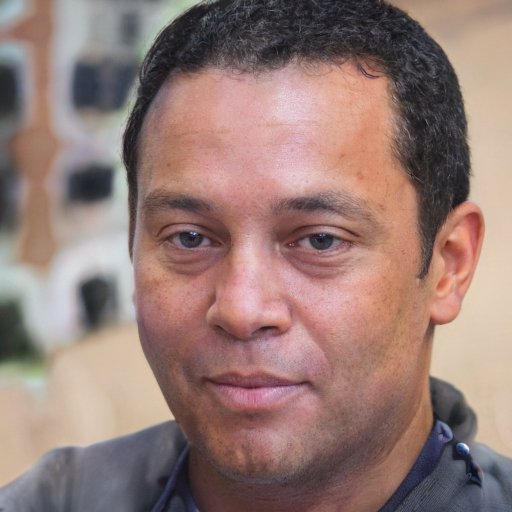
Ivan Morales is a licensed Damage Restoration Expert with over 20 years of hands-on experience in disaster recovery and structural mitigation. As a seasoned industry authority, Ivan has spent two decades mastering the technical complexities of environmental safety, providing property owners with the reliable expertise and steady leadership required to navigate high-stress property losses with absolute confidence.
𝗖𝗲𝗿𝘁𝗶𝗳𝗶𝗰𝗮𝘁𝗶𝗼𝗻𝘀: Ivan holds elite IICRC credentials, including Water Damage Restoration (WRT), Applied Structural Drying (ASD), Mold Remediation (AMRT), Fire and Smoke Restoration (FSRT), and Odor Control (OCT).
𝗙𝗮𝘃𝗼𝗿𝗶𝘁𝗲 𝗣𝗮𝘀𝘁𝗶𝗺𝗲: An enthusiast of restoration in all forms, Ivan enjoys restoring vintage watches and coastal sailing, hobbies that reflect the extreme precision and patience he brings to every restoration project.
𝗕𝗲𝘀𝘁 𝗣𝗮𝗿𝘁 𝗼𝗳 𝘁𝗵𝗲 𝗷𝗼𝗯: He finds the most fulfillment in providing a clear path forward for families, turning a site of devastation back into a safe, comfortable, and healthy home.