Pleasant Grove, UT · Utah County
Basement Water Removal in Pleasant Grove, UTBasement Wall Drying & Sump Pump Failure Water Cleanup
Basement Water Removal in Pleasant Grove includes basement water pump out, basement drying services and basement moisture inspection.
Answered 24/7
Professional Basement Water Removal in Pleasant Grove, UT
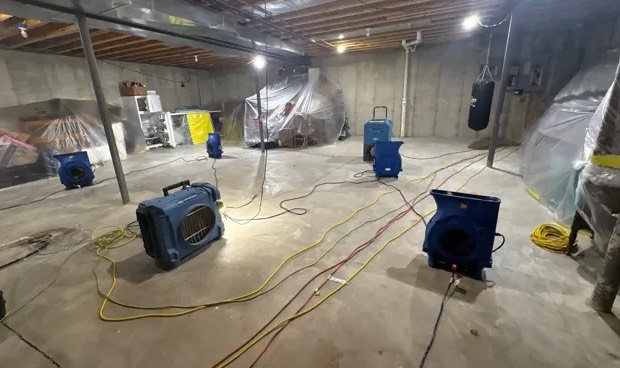
Dehumidification is the slow but necessary part of basement water removal in Pleasant Grove. Pumps remove standing water quickly, but walls and concrete keep releasing moisture for days.
In Pleasant Grove, when a basement or below-grade room takes on water, it usually follows heavy rain, a sewer backup or a burst pipe. Local basement drying experts serve Pleasant Grove, Lindon, American Fork and Cedar Hills, pumping water out and drying the space.
Professional Basement Water Removal Offerings
Basement Wall Drying
Basement walls are checked with moisture meters. Wet drywall is cut back above the water line, and insulation behind it is removed.
Sump Pump Failure Water Cleanup
When a sump pump stops, groundwater spreads across the floor. The water is pumped out and the floor and lower walls are extracted.
Basement Dehumidification
Large dehumidifiers pull moisture from basement air, which lets walls, framing and the slab release the water they absorbed.
Basement Moisture Inspection
Readings are recorded at each visit, giving you and your insurer a clear record of the drying.
Basement Floor Water Damage
Concrete floors are squeegeed, extracted and dried with airflow and dehumidifiers until moisture readings drop.
When to Call for Basement Water Removal in Pleasant Grove
Mold or Mildew
Dark spots on drywall, framing or stored items mean the area has stayed wet for days.
Rusted Appliances or Furniture
Rust on appliance bases, furniture legs or metal shelving points to standing water or long-term dampness.
Warped or Buckling Flooring
Flooring that buckles, lifts or feels spongy has water trapped between it and the slab.
Musty Odors and Mold Smell
A musty or damp smell in the basement points to wet materials hidden somewhere in the space.
How Basement Water Removal Works in Pleasant Grove
Step 1: Emergency Water Extraction
Power is made safe, then pumps and extractors remove standing water from the basement floor.
Step 2: Detailed Moisture Inspection
Meters map wet walls, framing and slab areas, including behind finished walls and under flooring.
Step 3: Drying and Dehumidification
Air movers and large dehumidifiers run continuously, with readings checked every day.
Step 4: Final Verification and Monitoring
Readings are compared to dry areas, and equipment is removed only when the basement tests dry.
What Causes Water Damage in Basements
Sewer Line Backups and Blockages
A blocked sewer line can push wastewater up through basement floor drains and toilets.
Foundation Cracks and Seepage
Cracks in foundation walls and the slab let groundwater seep in during wet weather.
Plumbing Leaks or Pipe Bursts
Supply lines, drain pipes and water heaters in the basement can leak or burst onto the floor.
High Water Table and Hydrostatic Pressure
A high water table presses groundwater against the slab and walls, forcing it inside.
House and Business Basement Water Removal in Pleasant Grove
Residential Basement Water Removal
Families should keep children and pets away from basement water until power is safe and the type of water is known.
Commercial Basement Water Removal
In restaurants and shops, basement water near food or stock storage needs removal and cleaning before those areas are used again.
The Risks of DIY Basement Water Removal
You can move belongings up off the floor and run the dehumidifier you already own. Drying soaked walls and slab needs larger equipment and readings to confirm the job is done.
Understanding Basement Water Removal Pricing
In Pleasant Grove, the drying phase usually costs more than the pumping, because basements need equipment running for several days.
Contamination Level
Sewage or dirty water needs protective gear, removal and disinfection, which costs more.
Additional Services
Antimicrobial treatment, contents cleaning and repairs after drying add to the cost.
Basement Square Footage
Larger basements need more extraction, more drying equipment and more days of drying.
Does Insurance Cover Basement Water Removal?
Photos, moisture readings and drying logs from the experts help support an insurance claim for basement water damage in Pleasant Grove.
Advantages of Local Basement Water Removal Experts
Contamination Safety Protocols
Sewage and dirty water are handled with protective gear, containment and disinfection.
Methodical Water Removal Process
Water is removed in a set order: pump-out, extraction, removal of soaked materials, then drying.
Detailed Damage Documentation
Photos, readings and drying logs are kept to support your insurance claim.
Emergency Basement Flood Response in Pleasant Grove
Standing water in a basement soaks walls and floors by the hour. Call (801) 845-3042 for basement water removal in Pleasant Grove at any time, day or night.
Call Now (801) 845-3042Basement Water Removal Near Pleasant Grove: Areas Served
Help with basement water removal reaches Lindon, American Fork and Cedar Hills, plus other communities around Pleasant Grove, for finished and unfinished basements alike.
- Basement Water Removal in Lindon
- Basement Water Removal in American Fork
- Basement Water Removal in Cedar Hills
- Basement Water Removal in Vineyard
- Basement Water Removal in Highland
- Basement Water Removal in Alpine
- Basement Water Removal in Orem
- Basement Water Removal in Lehi
- Emergency Damage Restoration in 84062
- Storm Damage Restoration in 84062
- Water Damage Restoration in 84062
- Water Extraction Service in 84062
- Water Leak Detection in 84062
- Water Removal Service in 84062
Common Basement Water Removal Questions Answered
Why is fast water removal so important for basements?
Basements dry slowly, so every hour of standing water adds drying days and more materials to replace.
Why is basement dehumidification important after pumping?
Walls and concrete keep releasing moisture for days. Dehumidifiers remove it so the basement does not stay damp.
What equipment is used for basement water extraction?
Submersible pumps, extractors, wet vacs, air movers, large dehumidifiers and moisture meters to confirm drying.
How does a basement moisture inspection work?
Moisture meters and thermal cameras check walls, floors and the slab, including behind finished walls and under flooring.
What causes basement floor water damage?
Storm seepage, burst pipes, appliance leaks, foundation cracks and sewer backups through floor drains are the usual sources.